Developing emotional awareness to support leadership and collaboration.
Industry: Cross-sector
Scope: Managers, leaders, and teams
Context
Organisations across a wide range of sectors operating in increasingly complex and demanding professional environments, marked by sustained change, performance expectations, and relational intensity.
In these contexts, leaders and teams were expected to manage not only operational challenges, but also emotions, relationships, and interpersonal dynamics on a daily basis. Group tensions and signs of emotional fatigue emerged, affecting collaboration, communication, and leadership dynamics.
Organisations expressed the need to better understand how emotional dynamics influence collaboration, decision-making, leadership posture, and overall effectiveness at work.
Emotional intelligence emerged as a key lever to support authentic leadership, quality of interactions, and sustainable professional performance.
The challenge
The objective was to build awareness around emotional intelligence and to highlight its role in professional life and leadership practices.
Key focus areas included:
Developing individual and collective awareness of emotional dynamics at work
Understanding the impact of emotions on behaviours, relationships, and decision-making
Supporting leaders in integrating emotional intelligence into their leadership posture
My role
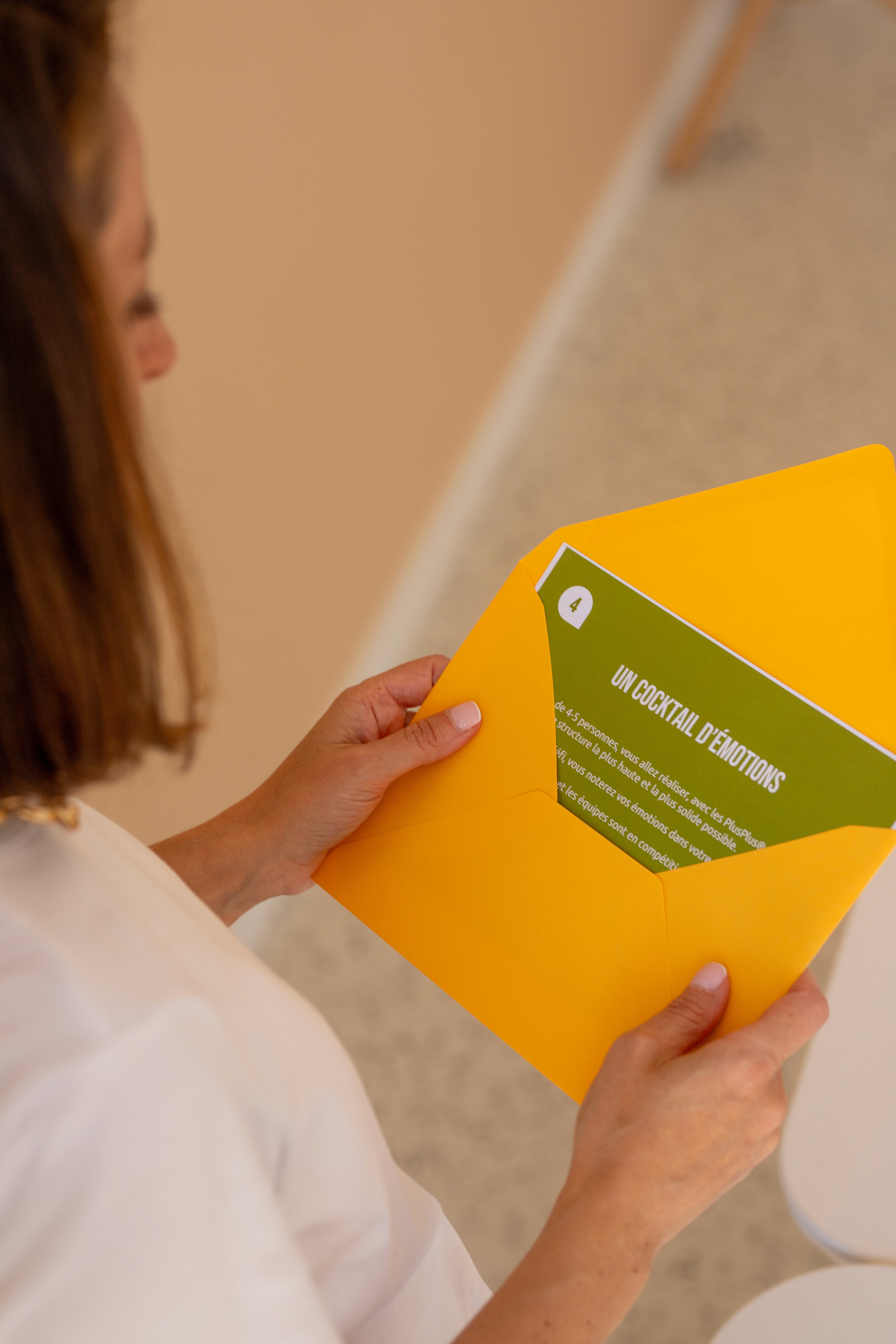
As coach and facilitator, I designed and delivered emotional intelligence workshops based on the EQ-i framework.
My role was to provide a structured and engaging learning space, allowing participants to explore emotional intelligence concepts, reflect on their own experiences, and connect insights to their professional realities.
Approach
The intervention was delivered through interactive and participatory workshops and included:
Introduction to emotional intelligence through the EQ-i model
Individual and collective reflection on emotional awareness, regulation, empathy, and interpersonal skills
Exploration of the links between emotional intelligence, authentic leadership, and professional effectiveness
Facilitated discussions connecting emotional intelligence to concrete workplace situations
The approach encouraged openness, reflection, and practical integration, while remaining accessible to diverse professional profiles.
Impact
The workshops contributed to:
Increased awareness of emotional intelligence and its role in professional life
Greater understanding of how emotions influence leadership posture and team dynamics
Enhanced quality of interactions, communication, and collaboration
Initial shifts toward more conscious and authentic leadership practices
Key Takeaway
The workshops enabled participants to better understand emotional dynamics at work, regulate reactions under pressure, address tensions more constructively, and adopt leadership practices aligned with both performance and authenticity.