“What do emotions really have to do with performance?”
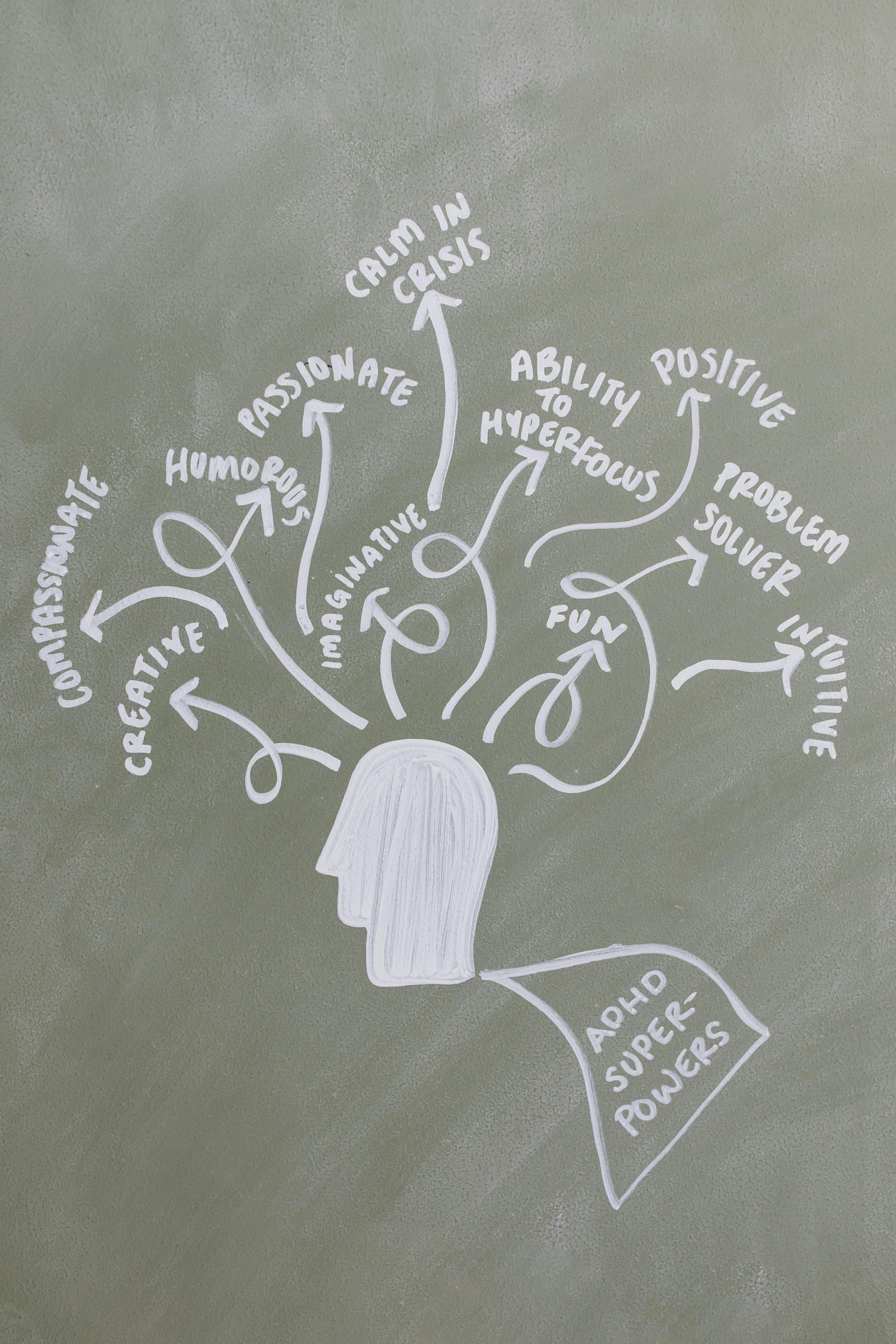
Social responsibility, self-assertion, problem-solving, optimism, stress management.
These are not “soft” qualities. They are core competencies of emotional intelligence, and they sit at the heart of the work I do with leaders, teams, and organisations.
As a certified practitioner in emotional intelligence assessment (EQ-i), trained by the Center for Emotional Intelligence, I have facilitated individual and collective coaching engagements and workshops around this topic.
And almost every time, the starting point is the same: scepticism.
“What do emotions really have to do with performance?”
For many professionals, emotions still feel like an uncomfortable subject at work. Vague. Subjective. Hard to measure. Often perceived as something to control, suppress, or keep outside the professional sphere.
This hesitation is understandable. For years, organisations have valued rationality, expertise, and execution, often at the expense of emotional awareness. Yet what consistently emerges during my interventions is a simple truth: emotions are already present everywhere at work. They influence decisions, relationships, engagement, conflict, leadership style, and performance...whether we acknowledge them or not.
The turning point usually comes when participants begin to reconnect with their own emotional patterns. When they recognise how emotions shape their reactions, their communication, their leadership posture. That moment of awareness changes the conversation entirely.
Emotional intelligence as a practical leadership capability
Emotional intelligence is not about “being emotional.” It is about developing the capacity to understand oneself, regulate reactions, read situations accurately, and interact with others in a constructive way, especially under pressure.
In my coaching work, emotional intelligence becomes a practical framework that helps individuals and teams:
take responsibility for their behaviours rather than blaming circumstances,
assert themselves clearly without aggression or withdrawal,
approach problems with perspective instead of reactivity,
maintain optimism without denial,
navigate stress and uncertainty with greater stability.
These skills are not abstract. They translate directly into better decision-making, healthier relationships, and more effective leadership.
From awareness to impact
One of the most powerful moments in my work is not when participants “learn” about emotional intelligence, but when they experience it. When they realise how much emotional dynamics influence their professional lives, their confidence, their fatigue, their motivation, their ability to collaborate.
Developing emotional intelligence leads to tangible benefits:
improved individual and collective performance,
stronger wellbeing and resilience,
more balanced and constructive working relationships,
greater cohesion and trust within teams.
It also supports a more sustainable approach to performance. One that does not rely on constant pressure, but on clarity, responsibility, and relational quality.
Individual and collective development
I integrate emotional intelligence both in one-to-one coaching and in collective settings. Individually, it helps leaders better understand their impact, refine their leadership posture, and expand their range of responses. Collectively, it becomes a powerful lever to improve team dynamics, prevent conflicts, and reinforce cohesion.
In both cases, emotional intelligence offers a shared language. A way to talk about what is often felt but rarely named. And when emotions can be named, they can be regulated, integrated, and transformed into resources rather than obstacles.
A different way of working and leading
In a world of increasing complexity, pressure, and uncertainty, emotional intelligence is no longer optional. It is a key competence for anyone who wants to lead, collaborate, and perform without burning out or disconnecting from others.
Using emotional intelligence in coaching is not about adding another tool. It is about working with what is already there and turning it into a source of clarity, alignment, and impact.
If you are curious to explore this potential, whether individually or within your teams, emotional intelligence may be one of the most powerful places to start.